Extreme Debris Disks: Insights into Violent Collisions in Planet Formation and Destruction
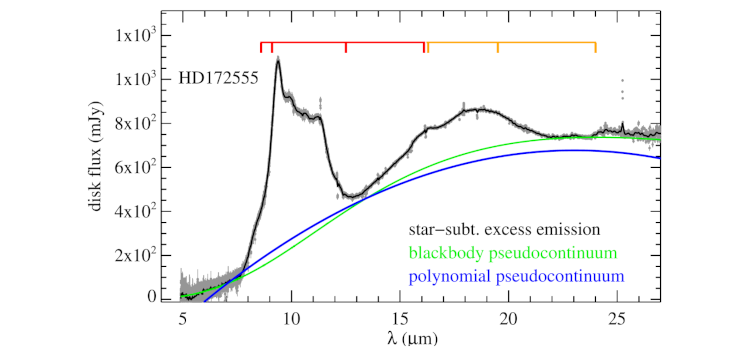
Su et al. (2026)
Read More
Planet-finding missions from the past decade have shown that most exoplanetary systems can have configurations vastly different from our Solar System. This dazzling variety has its origin in the circumstellar disk that forms planets and feeds material to the protostar. The central few astronomical unit region, the inner circumstellar disk, is of special importance. Here, within the water snowline, silicate and metallic particles without ice mantle can grow to rocky terrestrial planets. The full understanding of disk physics and terrestrial planet formation requires a multi-scale, multi-wavelength, multi-epoch approach. In this application, I propose an ambitious, focused, and timely research program utilizing the unique capabilities of the James Webb Space Telescope combined with infrared interferometry using the MATISSE instrument on ESO’s Very Large Telescope, and other world-class optical, infrared, and millimeter instruments. Our aim is to address open questions about star and planet formation, related to the small scale structure of the inner disk, the building blocks of planets, and the dynamic processes in the environment of terrestrial planet formation. The proposed program focuses on modeling observations with the James Webb Space Telescope and MATISSE on typical young (T Tauri) stars as well as eruptive EX Lupi- and FU Ori-type stars. In addition to in-depth studies of individual disks, statistical analyses will be performed to understand the diversity of morphological, mineralogical, and chemical properties of the terrestrial planet-forming inner disks. The novel features of the program are the unique synergy between JWST and the MATISSE interferometer; emphasis on multi-epoch observations; sophisticated disk modeling of the mineralogical and chemical disk compositions; and the dedicated study of the role the eruptive phenomena in planet formation. With the proposed research we advance our understanding of the formation of the Solar System and address fundamental questions about our origin that are at the forefront of modern astrophysics.


See also in Hungarian at this page.
Read More


GRAVITY collaboration et al. (2026)
Read More


Scheuck et al. (2026)
Read More
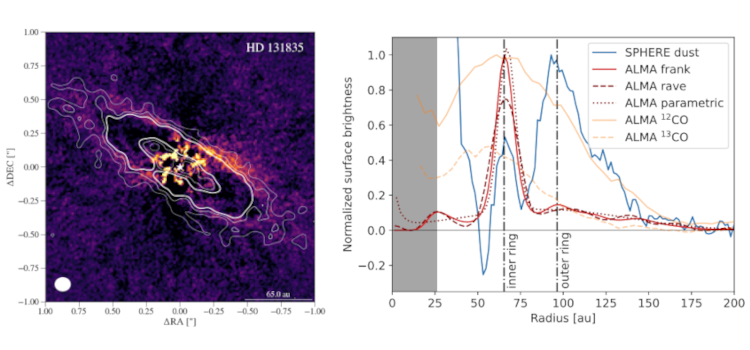
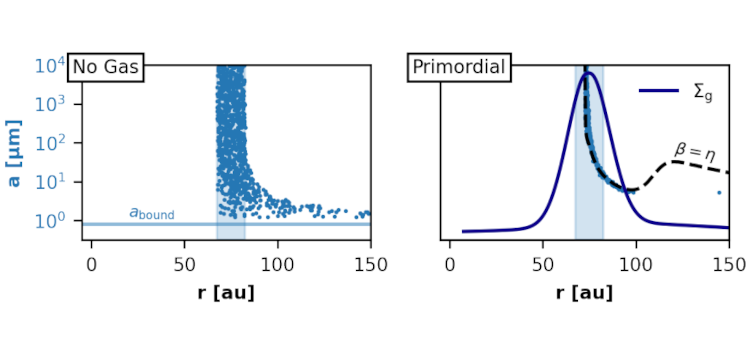
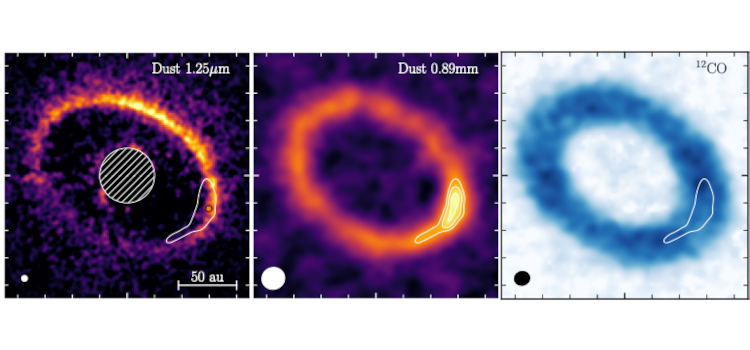
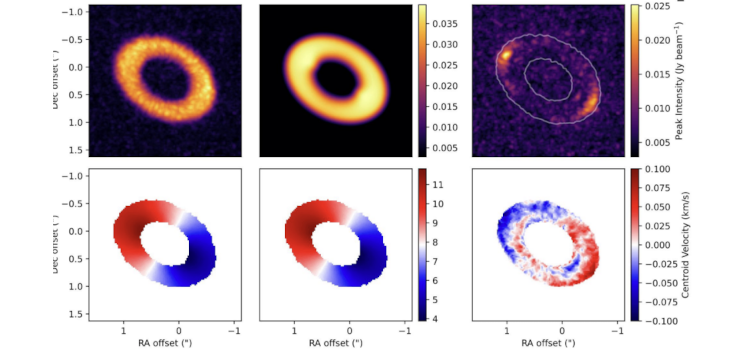
Brennan et al. (2026)
Read More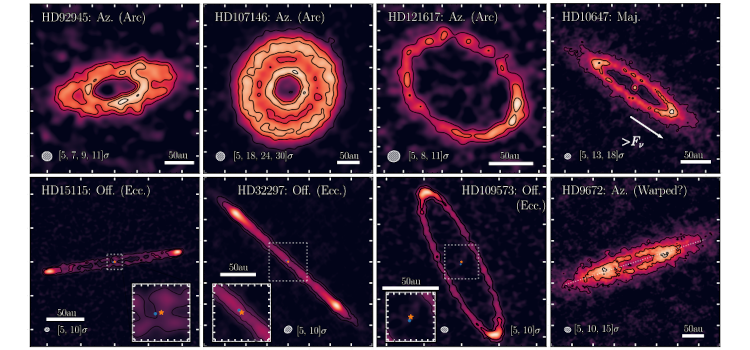
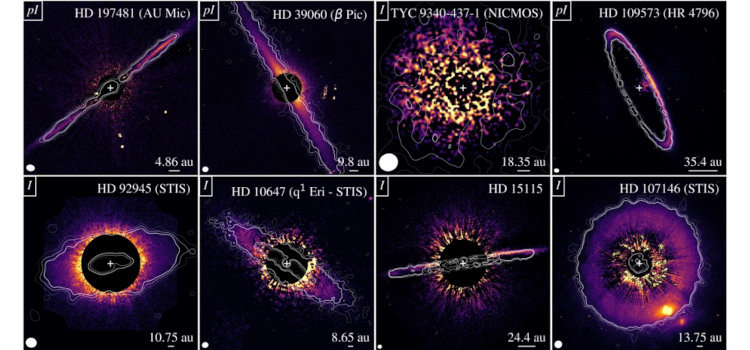
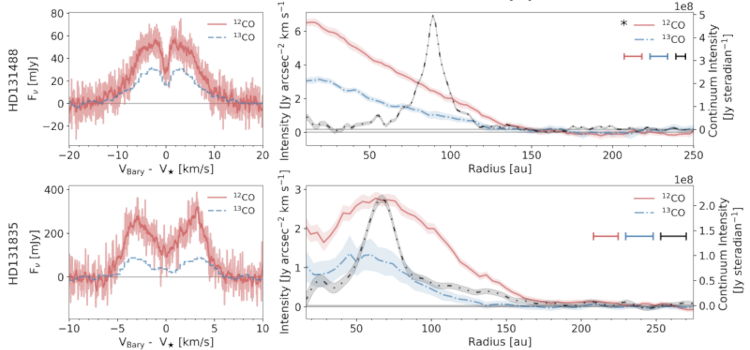
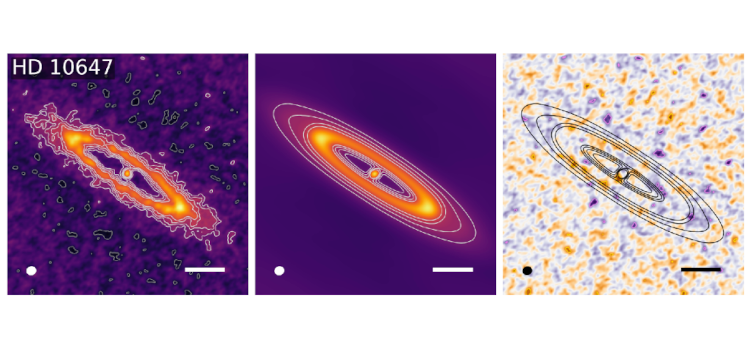
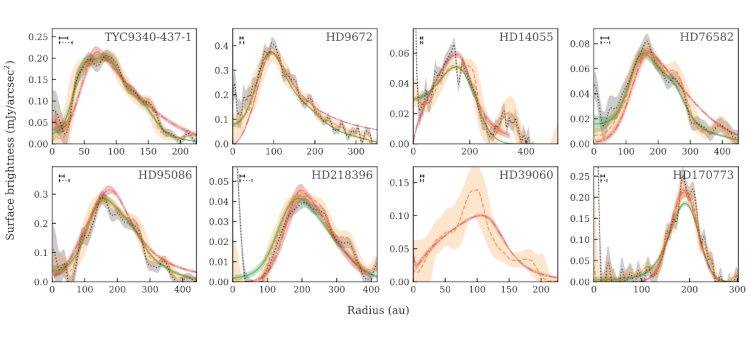
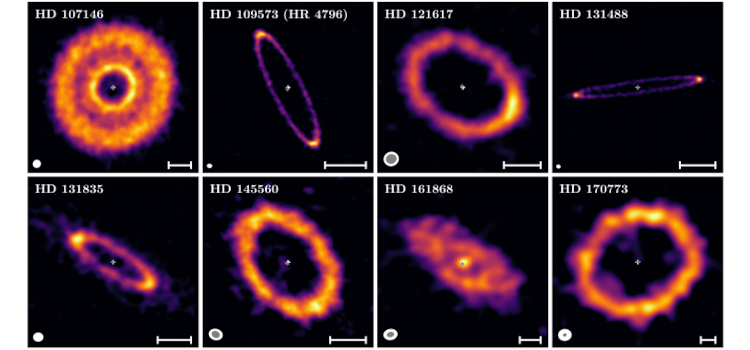
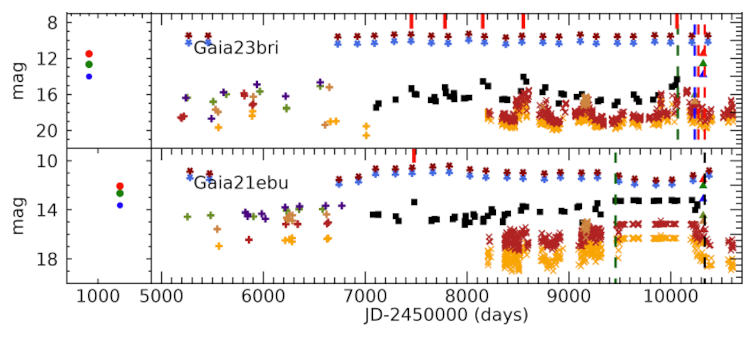
Giannini et al. (2026)
Read More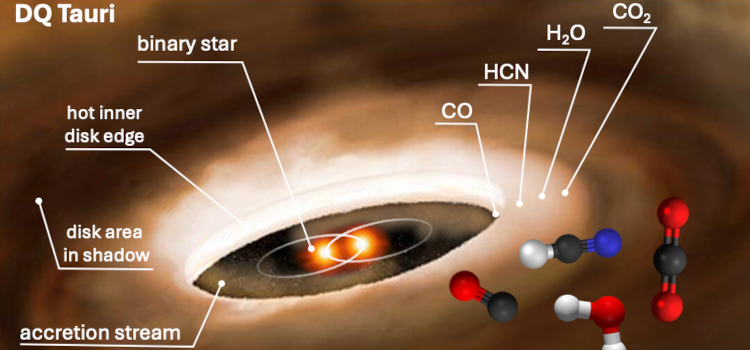
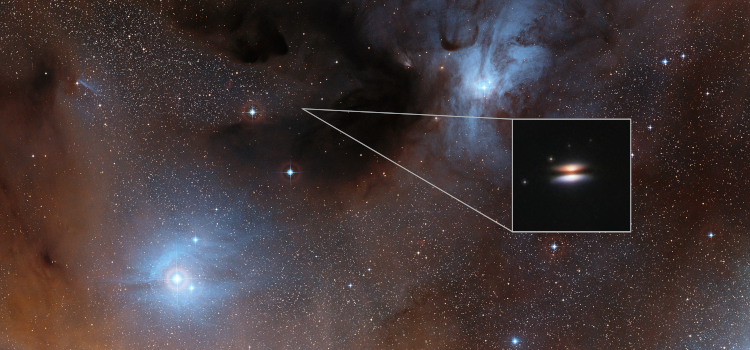
See also on the HUN-REN page and 24.hu.
Read More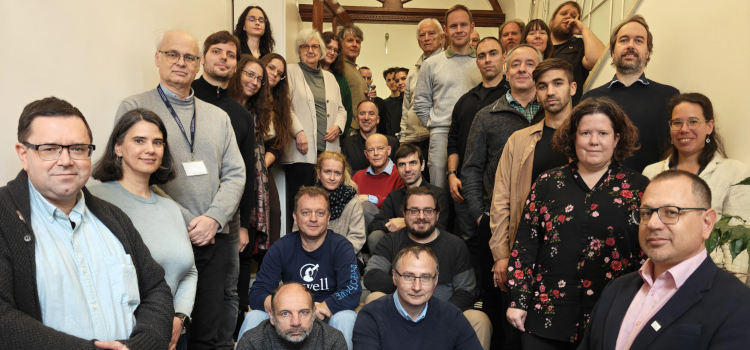
Ágnes Kóspál gave a talk during the event.
Read More
Martin et al. (2025)
Read More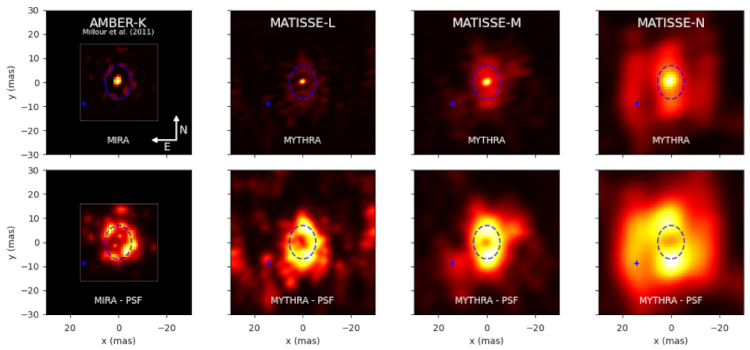
Abello et al. (2025, A&A, 703, 136)
Read More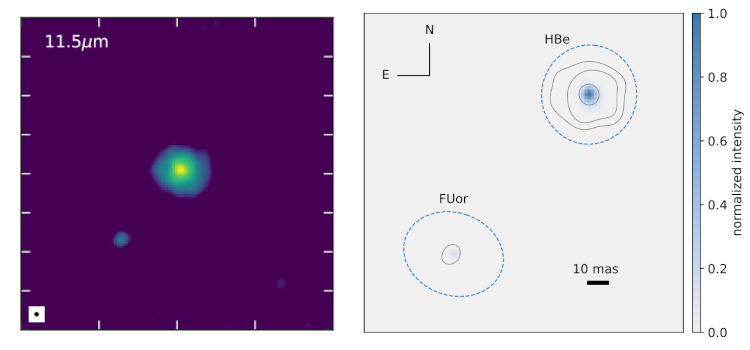
Lykou et al. (2025, A&A, 703, 136)
Read More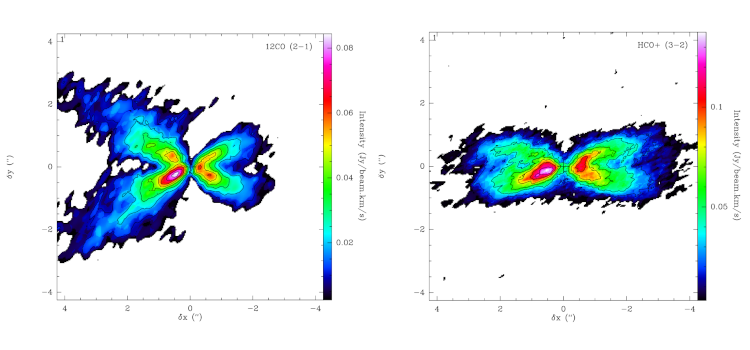
Foucher et al. (2025, A&A, 704, 32)
Read More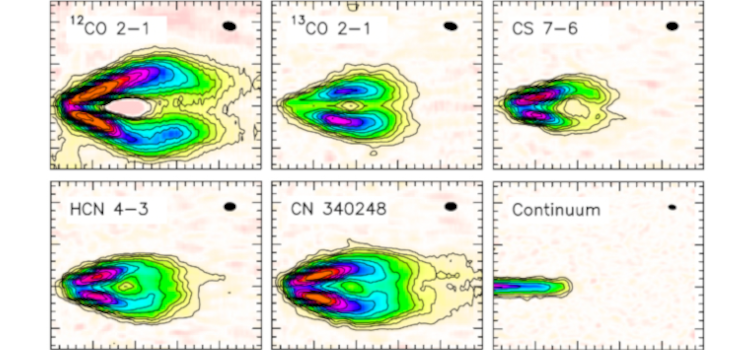
Dutrey et al. (2025, A&A, 704, 33)
Read More
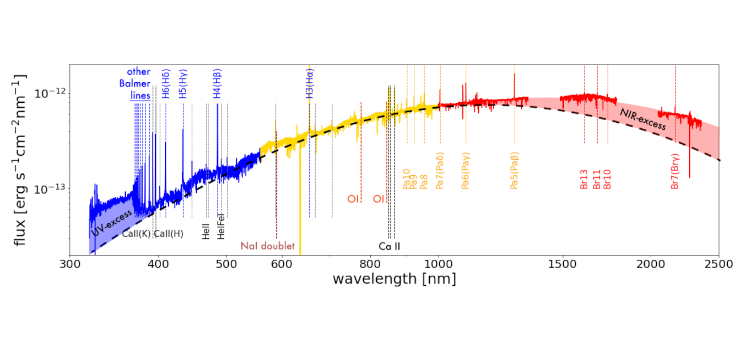
Fiorellino et al. (2025, A&A, 704, 42)
Read More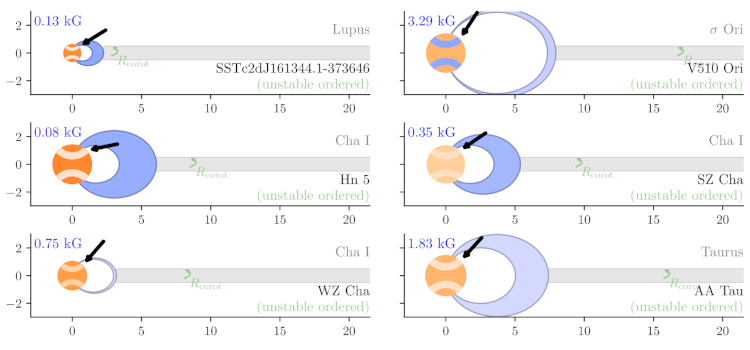
Pittman et al. (2025, ApJ, 993, 181)
Read More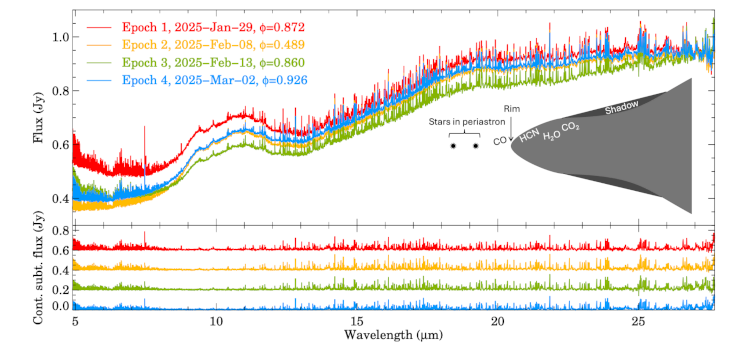
Kóspál et al. (2025, A&A, 703, 20)
Read More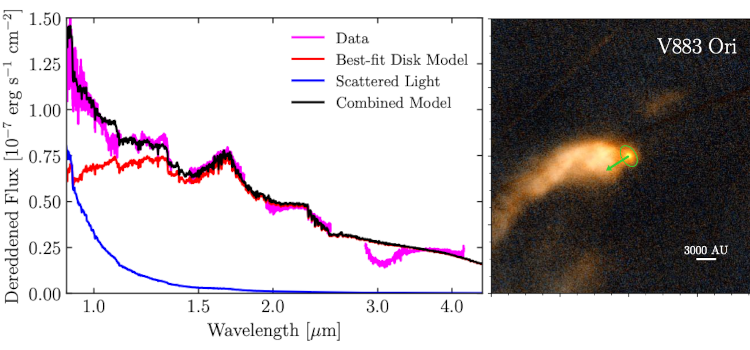
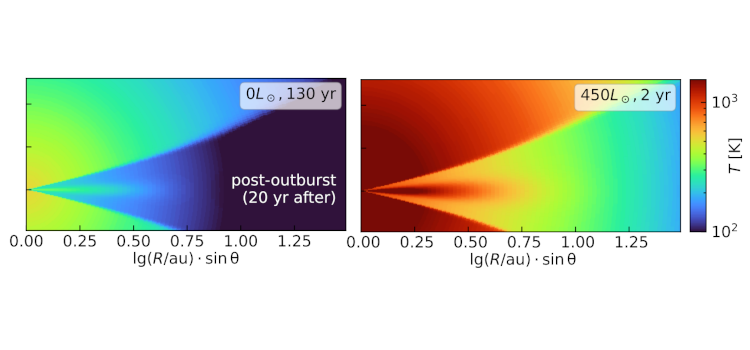
Laznevoi et al. (2025, A&A, 700, L24)
Read More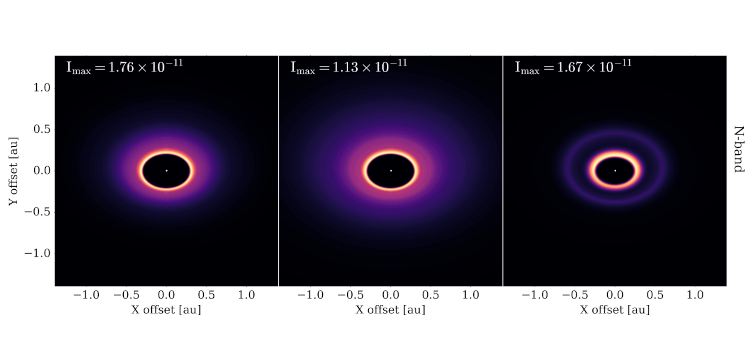
Flock et al. (2025, A&A, 701, 259)
Read More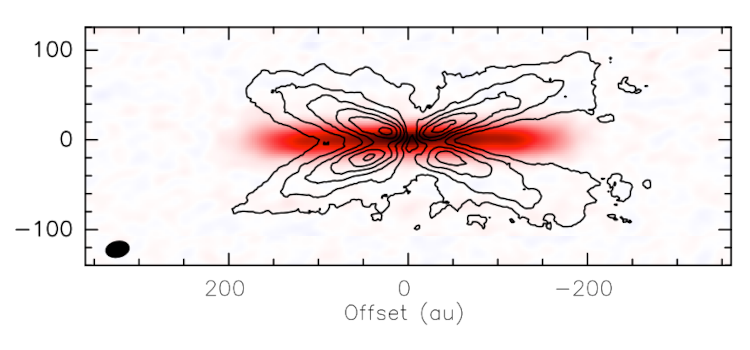
Guilloteau et al. (2025)
Read More
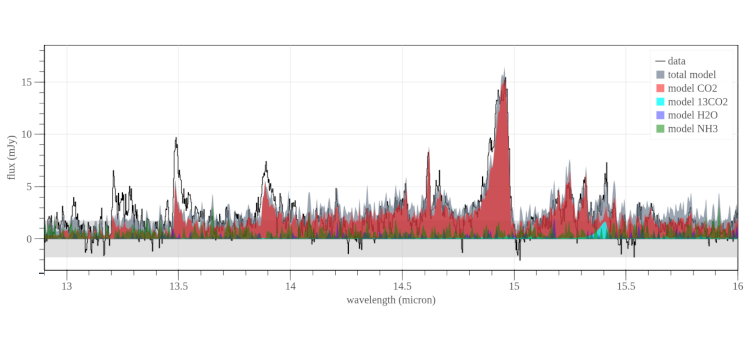
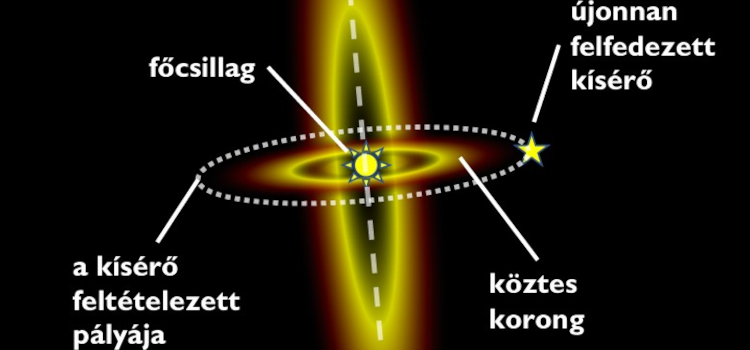
Read in Hungarian at the link below.
Read More
Invited talk by Ágnes Kóspál at the EAS.
Read More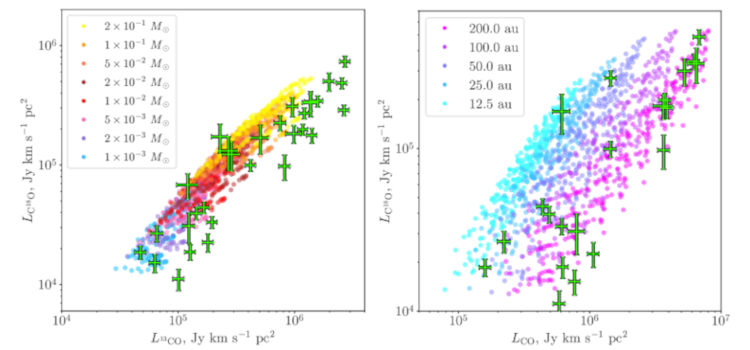


Varga et al. (2025)
Read More
Cruz-Sáenz de Miera et al. (2025)
Read More